Message

Case Studies (332)
Northern Gulf of Mexico
Main Contributors:
Other Contributors:
Summary
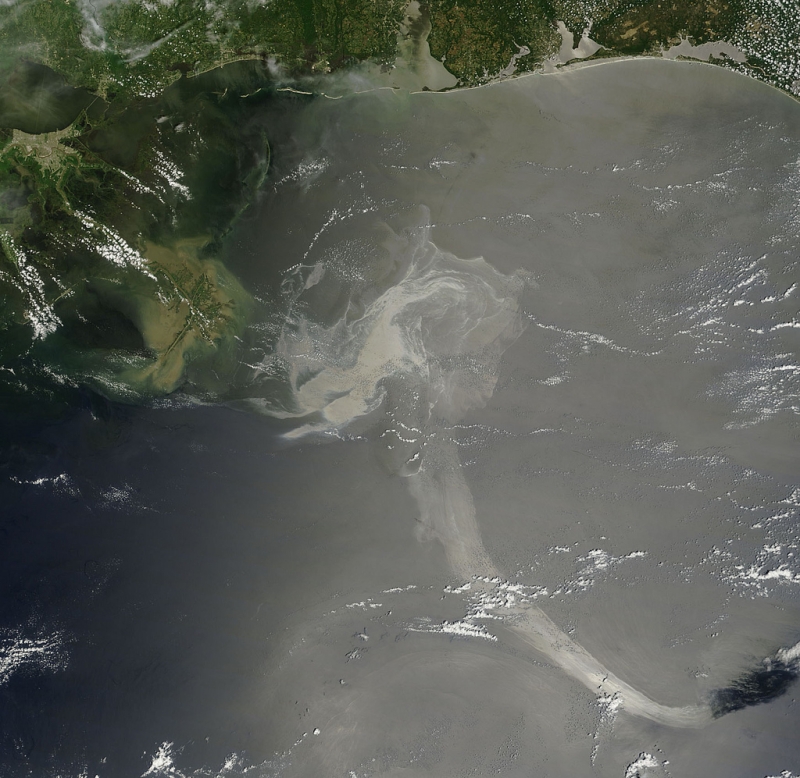
The inner- to mid-continental shelf of the northern Gulf of Mexico from the Mississippi River delta to the upper Texas coast is the largest zone of hypoxic bottom waters in the western Atlantic Ocean coastal zone. Hypoxia was first documented in the northern Gulf of Mexico in 1972. It is caused primarily by algal production stimulated by the excess nutrients delivered to Gulf waters from the Mississippi—Atchafalaya River drainage basin, in combination with the stratification of Gulf waters. The Mississippi river and Gulf oceanography create a strongly stratified system each year and if storms don't mix the waters, the bottom is isolated from aeration until fall. Other factors contributing to the Gulf of Mexico hypoxia are changes in landscape use and coastal wetland loss.
The mid-summer area of bottom hypoxia in 1985-1992 averaged 8000-9000km2 and increased up to 16 000 – 20 000km2 in 1993-2000. Spatial and temporal variety in the distribution of hypoxia are at least partially related to the amplitude and phasing of the river discharges and their nutrient flux. Mississippi river nutrient concentrations and loadings to the continental shelf have accelerated dramatically since the 1950s. Hypoxia occurs not only in the bottom near the sediments but well up into the water column.
The fishery resources of the Gulf are among the most valuable in the United States. Motile fish and crustaceans are generally absent from the hypoxic bottoms and other invertebrates die or show stress behavior in anoxic areas. Studies have shown that areas with persistent and severe hypoxia have more reduced abundance, species richness and biomass than the areas with intermittent and less severe hypoxia. Effects on hypoxia on fish include direct mortality, altered migration, reduction in suitable habitats, increased susceptibility to predation (including fishing by humans), changes in food resources and disruption of life cycles.
It has been suggested that the large hypoxic regions are not likely to have occurred prior to the 1970s, and that the size of those regions grew to a maximum in the 1980s and has then fluctuated between the mid-1980s and present. An action plan for reducing, mitigating and controlling hypoxia in the Gulf include a goal of reducing the average area of the hypoxic zone to below 5000km2 by 2015.
The BP oil spill in 2010 may affect dissolved oxygen content in numerous ways, e.g. create more deep water dead zones and deplete oxygen in water, but the Gulf of Mexico reaction to the oil spill is still uncertain.
Type of regime shift
Ecosystem type
- Marine & coastal
Land uses
- Fisheries
Spatial scale of the case study
- Sub-continental/regional (e.g. southern Africa, Amazon basin)
Continent or Ocean
- North America
Region
- Middle America
Countries
- Mexico
- United States
Locate with Google Map
Key References
-
Rabalais NN, Turner RE, Dortch Q, Justic D, Bierman VJ Jr., Wiseman WJ Jr. 2002. Nutrient-enhanced productivity in the northern Gulf of Mexico: past, present and future. Hydrobiologia 475/476, 39-63
-
Rabalais NN, Turner RE, Wiseman JW Jr., 2001. Hypoxia in the Gulf of Mexico. Journal of Environmental Quality 30, 320-329.
-
Scavia D, Justic D, Bierman VJ. 2004. Reducing hypoxia in the Gulf of Mexico: Advice from three models. Estuaries and Coasts 27:3, 419-425.
Citation
Bryan Mound, USA
Main Contributors:
Other Contributors:
Summary
Hypoxia in the Bryan Mound is episodic but infrequent. In the shallow Bryan Mound, hypoxia was first documented in the 1970s. It caused mass mortality of benthos, which took many years to recover, and caused stress for fish populations. In the 1980s, hypoxia in deep Bryan Mound decreased diversity and abundance of mobile species and caused mortality of benthos (annual recolonization).
Type of regime shift
Ecosystem type
- Marine & coastal
Land uses
- Fisheries
Spatial scale of the case study
- Local/landscape (e.g. lake, catchment, community)
Continent or Ocean
- North America
Region
- Texas
Countries
- United States
Locate with Google Map
Key References
-
Committee on Environment and Natural Resources. 2010. Scientific Assessment of Hypoxia in U.S. Coastal Waters. Interagency Working Group on Harmful Algal Blooms, Hypoxia, and Human Health of the Joint Subcommittee on Ocean Science and Technology. Washington, DC.
Citation
Baffin Bay, USA
Main Contributors:
Other Contributors:

Summary
Type of regime shift
Ecosystem type
- Marine & coastal
Land uses
- Fisheries
Spatial scale of the case study
- Local/landscape (e.g. lake, catchment, community)
Continent or Ocean
- North America
Region
- Gulf of Mexico
Countries
- United States
Locate with Google Map
Key References
-
Committee on Environment and Natural Resources. 2010. Scientific Assessment of Hypoxia in U.S. Coastal Waters. Interagency Working Group on Harmful Algal Blooms, Hypoxia, and Human Health of the Joint Subcommittee on Ocean Science and Technology. Washington, DC.
Citation
Long Bay, USA
Main Contributors:
Other Contributors:
Summary
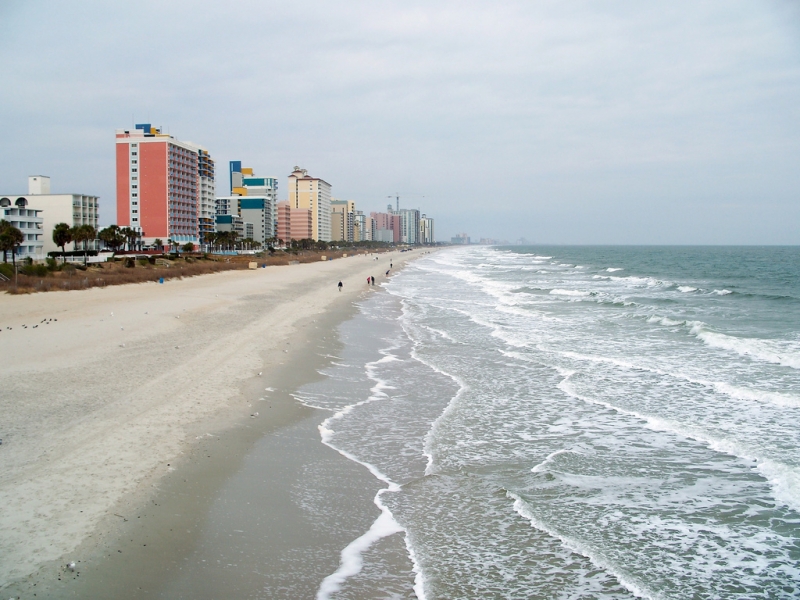
Long Bay hypoxia was documented in the 2000s. Since it has been only recently documented, the drivers are not clear yet. The hypoxia is suggested to be related to multiple factors, a.o. high chlorophyll a levels. Long Bay hypoxia caused mortality of flounder.
Type of regime shift
Ecosystem type
- Marine & coastal
Land uses
- Fisheries
Spatial scale of the case study
- Local/landscape (e.g. lake, catchment, community)
Continent or Ocean
- North America
Region
- East coast of North America
Countries
- United States
Locate with Google Map
Key References
-
Committee on Environment and Natural Resources. 2010. Scientific Assessment of Hypoxia in U.S. Coastal Waters. Interagency Working Group on Harmful Algal Blooms, Hypoxia, and Human Health of the Joint Subcommittee on Ocean Science and Technology. Washington, DC.
Citation
Pamlico Sound, USA
Main Contributors:
Other Contributors:

Summary
Hypoxia in Pamlico Sound was documented in the 1990s when a hurricane increased freshwater and nutrient input. Studies show there has been no hypoxia in the1960s through the 1980s.
Type of regime shift
Ecosystem type
- Marine & coastal
Land uses
- Fisheries
Spatial scale of the case study
- Local/landscape (e.g. lake, catchment, community)
Continent or Ocean
- North America
Region
- East coast of North America
Countries
- United States
Locate with Google Map
Key References
-
Committee on Environment and Natural Resources. 2010. Scientific Assessment of Hypoxia in U.S. Coastal Waters. Interagency Working Group on Harmful Algal Blooms, Hypoxia, and Human Health of the Joint Subcommittee on Ocean Science and Technology. Washington, DC.
Citation
Hewletts Creek, USA
Main Contributors:
Other Contributors:
Summary
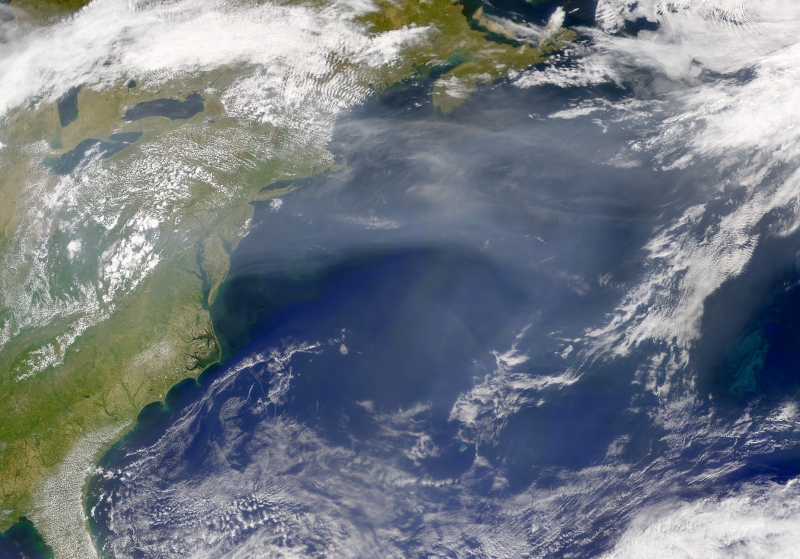
Hewletts Creek experiences episodic hypoxia during the warmmonths. Nutrient loading is high from the heavily developed watershed; portions of the creek receive run-off from golf courses, suburban areas and roadways.
Type of regime shift
Ecosystem type
- Marine & coastal
Land uses
- Fisheries
Spatial scale of the case study
- Local/landscape (e.g. lake, catchment, community)
Continent or Ocean
- North America
Region
- North Carolina
Countries
- United States
Locate with Google Map
Key References
-
MacPherson T, Cahoon L, Mallin M. 2007. Water column oxygen demand and sediment oxygen flux: patterns of oxygen depletion in tidal creeks. Hydrobiologia 586, 235-248.
Citation
Futch Creek, USA
Main Contributors:
Other Contributors:
Summary
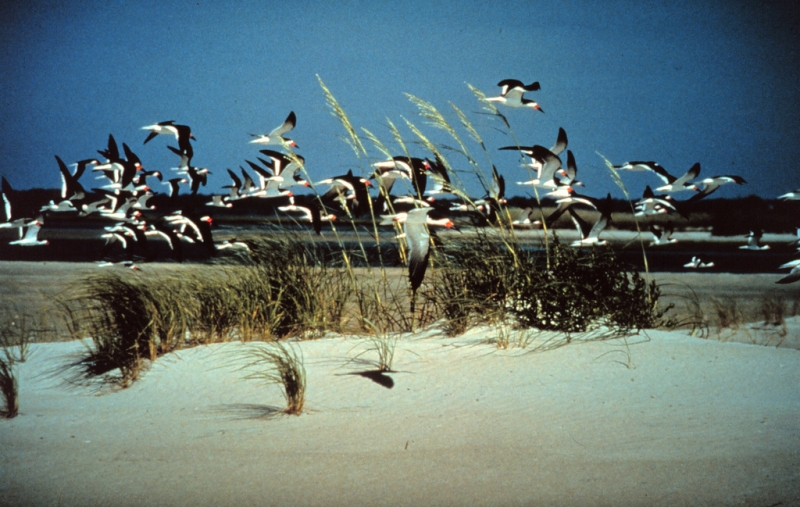
Futch Creek hypoxia was documented in the 2000s. It is caused by agricultural, urban and suburban runoff contributing to nutrient loading.
Type of regime shift
Ecosystem type
- Marine & coastal
Land uses
- Fisheries
Spatial scale of the case study
- Local/landscape (e.g. lake, catchment, community)
Continent or Ocean
- North America
Region
- North Carolina
Countries
- United States
Locate with Google Map
Key References
-
Committee on Environment and Natural Resources. 2010. Scientific Assessment of Hypoxia in U.S. Coastal Waters. Interagency Working Group on Harmful Algal Blooms, Hypoxia, and Human Health of the Joint Subcommittee on Ocean Science and Technology. Washington, DC.
Citation
Cape Fear River, USA
Main Contributors:
Other Contributors:
Summary
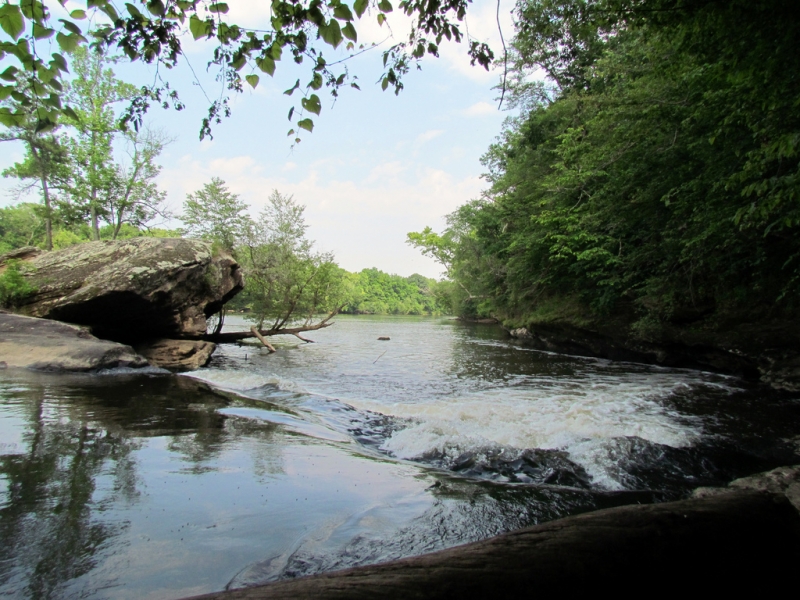
Cape Fear river hypoxia was documented in 1970s. It caused fish kills and reduced benthos. In northeast Cape Fear river, where hypoxia was documented in 1990s, the drivers were agricultural, urban and suburban runoff contributing to nutrient loading and thus indirectly to hypoxia.
Type of regime shift
Ecosystem type
- Freshwater lakes & rivers
Land uses
- Fisheries
Spatial scale of the case study
- Local/landscape (e.g. lake, catchment, community)
Continent or Ocean
- North America
Region
- East coast of North America
Countries
- United States
Locate with Google Map
Key References
-
Committee on Environment and Natural Resources. 2010. Scientific Assessment of Hypoxia in U.S. Coastal Waters. Interagency Working Group on Harmful Algal Blooms, Hypoxia, and Human Health of the Joint Subcommittee on Ocean Science and Technology. Washington, DC.
Citation
New York Bight, USA
Main Contributors:
Other Contributors:
Summary
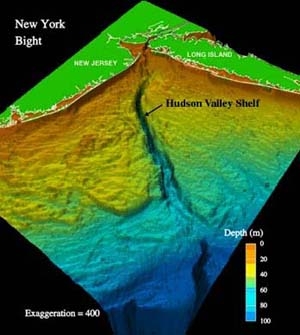
New York Bight faced a hypoxic event in the summer of 1976, when calm weather led to stratification and algae blooms. One of the drivers may have been upwelling of nutrient rich water. Hypoxia caused mass mortality of benthos (with multi-year recovery), loss of habitat for local fauna, and altered or blocked migration routes. The economic cost of the 1976 hypoxia was ca $265 million.
Type of regime shift
Ecosystem type
- Marine & coastal
Land uses
- Fisheries
Spatial scale of the case study
- Local/landscape (e.g. lake, catchment, community)
Continent or Ocean
- North America
Region
- East coast of North America
Countries
- United States
Locate with Google Map
Key References
-
Committee on Environment and Natural Resources. 2010. Scientific Assessment of Hypoxia in U.S. Coastal Waters. Interagency Working Group on Harmful Algal Blooms, Hypoxia, and Human Health of the Joint Subcommittee on Ocean Science and Technology. Washington, DC.
Citation
Shellbank Basin, USA
Main Contributors:
Other Contributors:

Summary
Hypoxia in Shellbank Basin was first documented in 1990s.
Type of regime shift
Ecosystem type
- Marine & coastal
Land uses
- Fisheries
Spatial scale of the case study
- Local/landscape (e.g. lake, catchment, community)
Continent or Ocean
- North America
Region
- East coast of North America
Countries
- United States
Locate with Google Map
Key References
-
Committee on Environment and Natural Resources. 2010. Scientific Assessment of Hypoxia in U.S. Coastal Waters. Interagency Working Group on Harmful Algal Blooms, Hypoxia, and Human Health of the Joint Subcommittee on Ocean Science and Technology. Washington, DC.
